Is your outdated kitchen holding your home back, or costing you money every time you think about selling? If you have been searching for a reliable kitchen remodeling San Francisco Alameda County guide, you are in the right place. Homeowners across the Bay Area struggle with cramped layouts, tired cabinetry, and inefficient workflows that make everyday cooking frustrating. This kitchen remodeling San Francisco Alameda County guide walks you through everything you need to know, from planning and budgeting to design trends and common pitfalls, so you can renovate with confidence. Continue reading to discover how to turn your kitchen into the heart of your home.
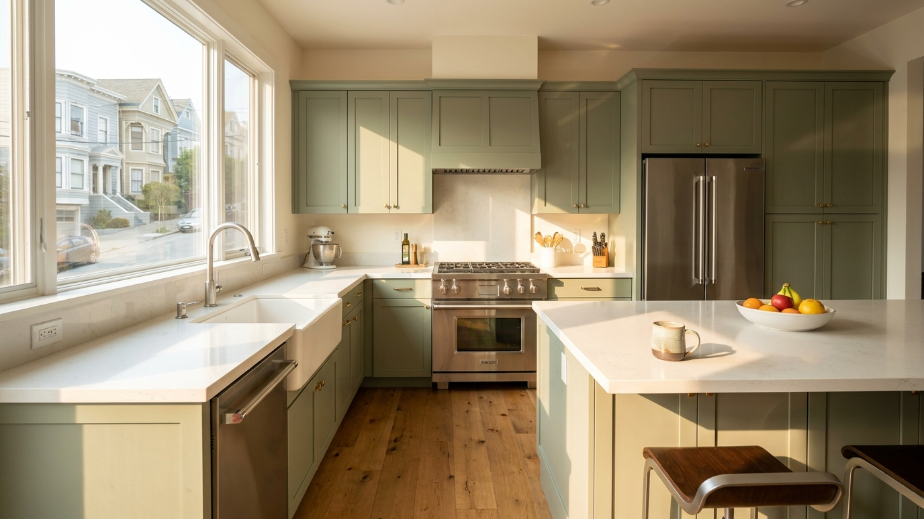
What Is Kitchen Remodeling in San Francisco and Alameda County?
Kitchen remodeling refers to the process of updating or completely reconstructing a kitchen’s layout, cabinetry, countertops, flooring, lighting, and appliances to improve function, style, and value. In dense urban neighborhoods like San Francisco, this often means maximizing small footprints, while in Alameda County suburbs such as Oakland, Berkeley, Fremont, and Dublin, homeowners typically have more room to open up walls and expand square footage. A well-researched kitchen remodeling San Francisco Alameda County guide helps you understand these regional differences before you ever pick up a hammer.
At its core, a kitchen remodel involves several coordinated phases: design and permitting, demolition, rough plumbing and electrical work, cabinetry and countertop installation, and final finishing touches like backsplash tile and hardware. Local contractors, such as the team at Partners Remodeling, specialize in navigating San Francisco’s strict permitting requirements alongside Alameda County’s building codes, which can differ significantly from city to city.
Why This Kitchen Remodeling San Francisco Alameda County Guide Matters
A kitchen is one of the highest-return investments in any home. According to industry cost-versus-value data, a mid-range kitchen remodel can recoup 60–80% of its cost at resale in the Bay Area, where real estate values remain among the highest in the country. Beyond resale value, an updated kitchen improves daily quality of life: better storage, safer electrical systems, and layouts that support how modern families actually cook and gather.
This kitchen remodeling San Francisco Alameda County guide matters because both regions carry unique challenges. San Francisco’s older Victorian and Edwardian homes often hide outdated wiring and plumbing behind original plaster walls, while many Alameda County homes built mid-century need structural updates to support open-concept designs. Without proper guidance, homeowners risk costly change orders, permit delays, or subpar workmanship.
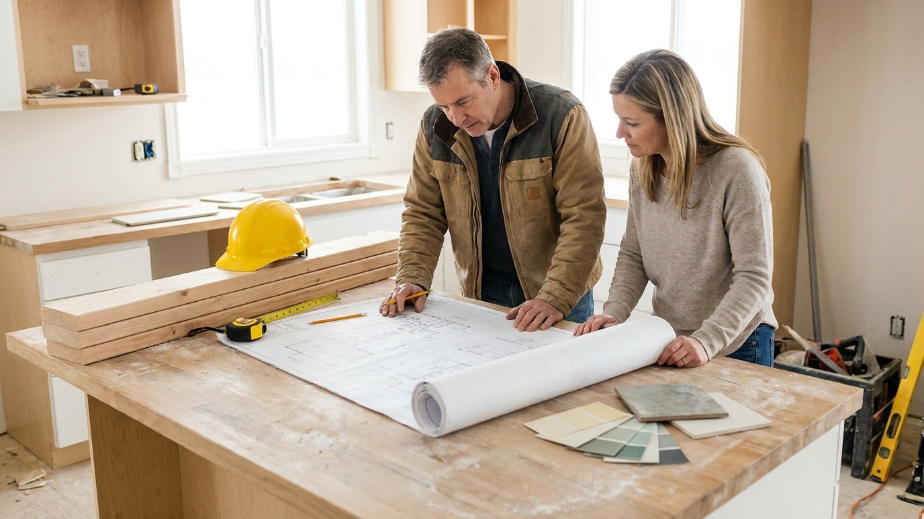
How to Plan Your Kitchen Remodel: A Step-by-Step Approach
Following a clear process is the single best way to keep your renovation on time and on budget. This section of our kitchen remodeling San Francisco Alameda County guide breaks the process into manageable steps.
Step 1: Define Your Goals and Budget
Every solid kitchen remodeling San Francisco Alameda County guide starts with a clear goal. Decide whether you want a cosmetic refresh (new paint, hardware, countertops) or a full gut renovation (moved walls, new plumbing lines, expanded footprint). Budgets in the Bay Area typically range from $35,000 for a moderate update to $150,000+ for a luxury, fully custom kitchen.
Step 2: Hire a Licensed, Local Contractor
Choosing a contractor familiar with local permitting is essential. A company like Partners Remodeling understands both San Francisco Department of Building Inspection requirements and Alameda County’s varying municipal codes, which streamlines approvals considerably.
Step 3: Finalize Design and Materials
This stage of the kitchen remodeling San Francisco Alameda County guide is where your vision takes shape. Work with a designer to select cabinetry, countertops (quartz and quartzite remain top choices in 2026), flooring, and lighting. This is also the stage to consider layout changes, such as installing a kitchen island or opening the kitchen to an adjoining backyard living space.
Step 4: Permitting and Scheduling
Permits for structural or plumbing changes can take several weeks in San Francisco and vary by jurisdiction throughout Alameda County. Building this time into your schedule prevents frustrating delays.
Step 5: Demolition and Construction
Most kitchen remodels take 6–12 weeks from demolition to final walkthrough, depending on scope. Homeowners undertaking a full-home project often coordinate their kitchen work alongside broader full home remodeling plans to minimize disruption.
Step 6: Final Walkthrough and Punch List
Before your contractor leaves the job site, complete a detailed walkthrough to identify any touch-ups needed on trim, paint, or hardware alignment.
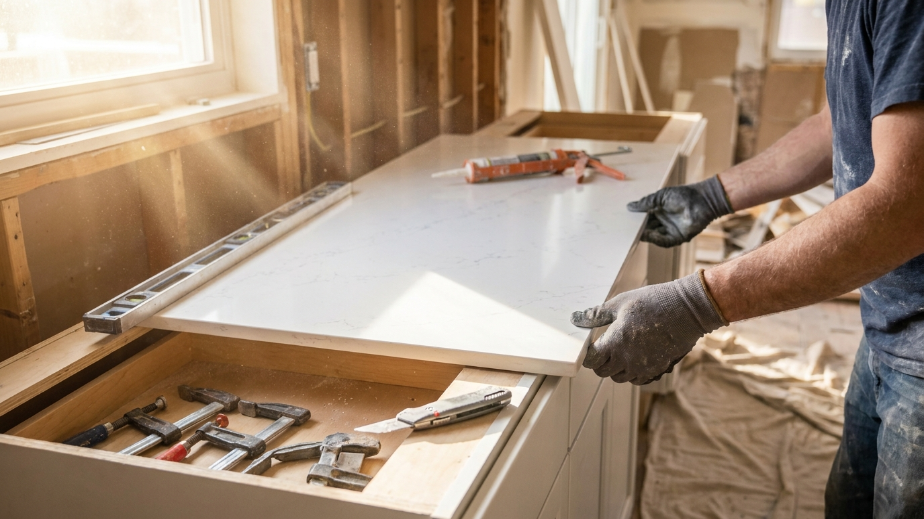
Practical Tips and Real Examples
The next section of this kitchen remodeling San Francisco Alameda County guide covers practical, field-tested tips homeowners can apply right away.
- Maximize natural light. Many San Francisco kitchens are windowless interior rooms; skylights or solar tubes can transform a dark galley kitchen.
- Choose durable, low-maintenance surfaces. Quartz countertops resist staining better than natural stone and require no sealing.
- Plan for storage first, style second. Pull-out pantries and vertical dividers solve more daily frustration than any trendy finish.
- Work with your home’s architecture. A 1920s San Francisco bungalow and a 1970s Fremont ranch call for very different cabinetry styles.
- Budget 10–15% contingency. Older Bay Area homes frequently reveal hidden issues once walls are opened.
A recent Partners Remodeling project in Berkeley involved converting a closed-off 1960s kitchen into an open-concept space connected to the dining room, increasing usable square footage by nearly 200 square feet without extending the home’s footprint. This is a common, high-value move throughout Alameda County.
Common Mistakes to Avoid
Every kitchen remodeling San Francisco Alameda County guide should warn homeowners about these recurring pitfalls before work begins.
- Skipping permits. Unpermitted work can complicate a future home sale and create safety hazards.
- Underestimating timeline. Rushed decisions on materials often lead to costly reorders.
- Choosing the cheapest bid. Lowest price frequently means corners cut on materials or labor.
- Ignoring workflow (the kitchen work triangle). Poor placement of the sink, stove, and refrigerator makes cooking inefficient.
- Forgetting ventilation. Proper range hood venting is required by code and protects indoor air quality.
Avoiding these mistakes is one of the most valuable parts of any kitchen remodeling San Francisco Alameda County guide, since they are the issues that most often blow past budgets and timelines.
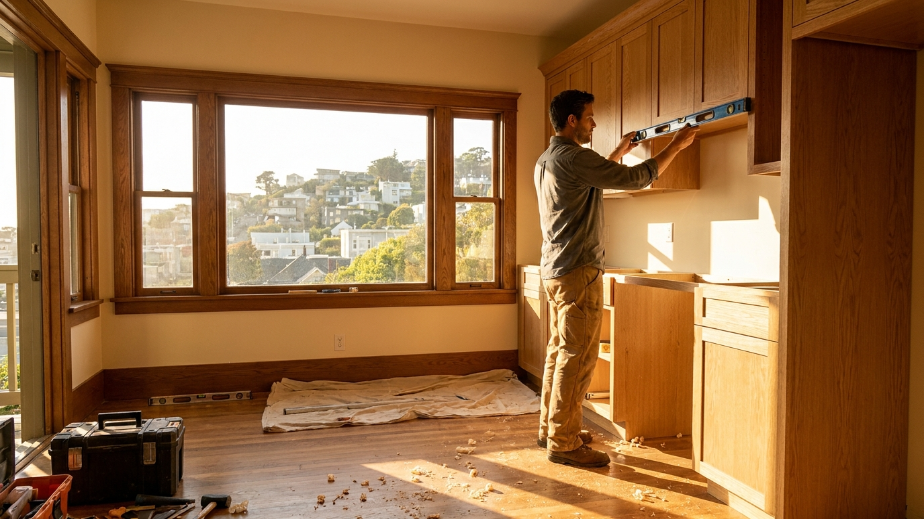
Real projects like these are exactly why homeowners rely on a trusted kitchen remodeling San Francisco Alameda County guide before signing a contract.
Case Study: Transforming a San Francisco Row House Kitchen
A homeowner in San Francisco’s Sunset District approached Partners Remodeling with a narrow, closed-off kitchen typical of the city’s row houses. The team removed a non-load-bearing wall, added a peninsula for extra seating, and installed custom carpentry sourced through their custom carpentry services. The result was a 30% increase in usable counter space and a kitchen that now opens visually into the living area. Reviews from the family on Google described the process as smooth and well-communicated from permitting through final walkthrough.
Case Study: Opening Up a Fremont Family Kitchen
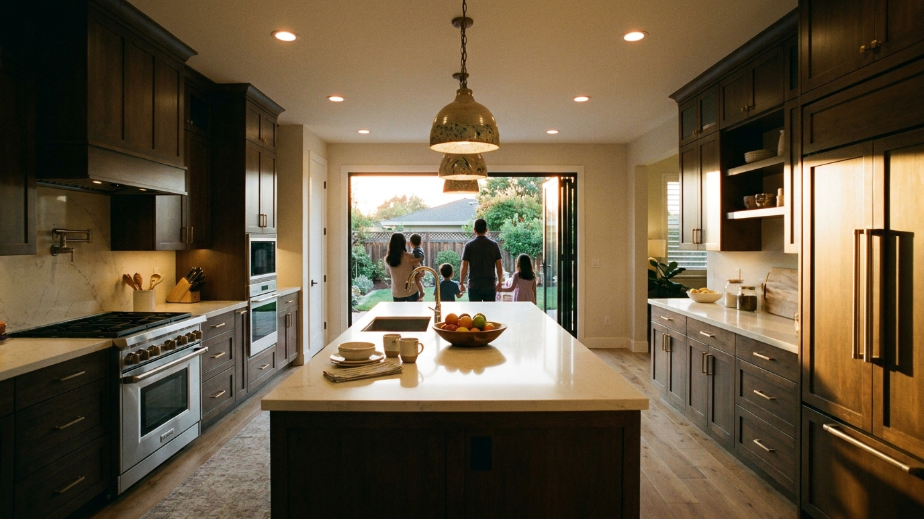
This kind of transformation is a favorite example in our kitchen remodeling San Francisco Alameda County guide. In Fremont, a family wanted their kitchen to connect directly to their backyard for entertaining. Partners Remodeling coordinated the kitchen renovation with an adjoining deck and fence installation, creating a seamless indoor-outdoor living space that is now the family’s favorite spot to host gatherings year-round.
Kitchen Design Trends Shaping the Bay Area in 2026
No kitchen remodeling San Francisco Alameda County guide would be complete without a look at current design trends. Design preferences shift year to year, and staying current helps homeowners avoid a renovation that feels dated within a decade. Warm, earthy tones are replacing the all-white kitchens that dominated the last several years, with sage green, terracotta, and deep walnut cabinetry gaining popularity across both San Francisco and Alameda County. Mixed-material islands, combining wood tones with stone or concrete waterfall countertops, are becoming a signature feature in mid-range and high-end remodels alike.
Smart appliances continue to expand beyond refrigerators and ovens into faucets, lighting, and ventilation systems that can be controlled remotely, which appeals strongly to Bay Area homeowners already comfortable with home technology. Matte black and brushed brass hardware remain popular finishes, often mixed within the same kitchen to create visual contrast without overwhelming the space.
Layout-wise, the strict galley kitchen is giving way to more flexible, multi-zone designs, especially in Alameda County homes with larger footprints. Butler’s pantries, hidden appliance garages, and dedicated coffee stations are increasingly requested additions, reflecting a desire for kitchens that stay organized and visually calm even during heavy daily use. In San Francisco’s tighter urban homes, designers are leaning into vertical storage solutions, pull-out cabinetry, and multi-functional islands that double as dining and prep space.
Sustainability is also playing a larger role in material selection. Recycled glass countertops, FSC-certified wood cabinetry, and energy-efficient appliances are frequently requested by homeowners throughout the region who want their renovation to align with broader environmental goals, alongside long-term durability.
Cost Comparison: San Francisco vs. Alameda County
Budget is often the first question homeowners ask, so this kitchen remodeling San Francisco Alameda County guide includes a side-by-side breakdown below.
| Project Scope | San Francisco (avg.) | Alameda County (avg.) |
|---|---|---|
| Minor cosmetic update | $25,000–$45,000 | $20,000–$38,000 |
| Mid-range remodel | $55,000–$95,000 | $45,000–$80,000 |
| High-end custom remodel | $110,000–$200,000+ | $95,000–$175,000+ |
| Typical permit timeline | 4–10 weeks | 2–8 weeks (varies by city) |
Pricing naturally varies by scope, materials, and site conditions, but this table gives a realistic starting point for anyone using this kitchen remodeling San Francisco Alameda County guide to budget their own project.
Financing and Timing Your Renovation
Budgeting is one of the most searched topics tied to any kitchen remodeling San Francisco Alameda County guide, so it deserves its own section. Many homeowners choose to finance their remodel through a home equity line of credit, a cash-out refinance, or a dedicated renovation loan, especially for larger projects exceeding $80,000. Getting pre-approved before finalizing your design helps set realistic expectations for material selections and scope. Timing also matters: scheduling demolition in late fall or winter can sometimes secure better contractor availability, since spring and early summer are the busiest months for renovation companies throughout the region.
Frequently Asked Questions About This Kitchen Remodeling San Francisco Alameda County Guide
How long does a kitchen remodel take in San Francisco or Alameda County?
Most projects take 6–12 weeks once construction begins, though permitting can add several additional weeks depending on the city.
How much does kitchen remodeling cost in the Bay Area?
As this kitchen remodeling San Francisco Alameda County guide outlines, costs typically range from $35,000 for a moderate update to well over $150,000 for a fully custom, high-end kitchen.
Do I need a permit to remodel my kitchen?
Yes, in most cases. Any work involving plumbing, electrical, or structural changes requires a permit in both San Francisco and Alameda County.
What is the best return-on-investment upgrade for a kitchen?
Cabinet refacing, updated countertops, and improved lighting consistently offer strong value compared to their cost.
Should I hire a general contractor or a kitchen specialist?
A licensed general contractor with kitchen-specific experience, like Partners Remodeling, can manage the full scope, including permits, subcontractors, and inspections, under one point of contact.
Conclusion
Renovating your kitchen is one of the most rewarding investments you can make in your Bay Area home, both for daily comfort and long-term value. This kitchen remodeling San Francisco Alameda County guide has covered the planning process, realistic costs, common mistakes, and real local examples to help you move forward with clarity. Whether you live in a historic San Francisco row house or a spacious Alameda County suburb, the right team makes all the difference.
Bookmark this kitchen remodeling San Francisco Alameda County guide and revisit it at every stage of your project, from first sketches to final walkthrough.
Ready to start your kitchen remodel? Contact Partners Remodeling today for a free quote and take the first step toward the kitchen you have always wanted.
Partners Remodeling
Address: 2600 Torrey Pines Drive, Brentwood, CA 94513
Phone: +1 925-450-4266
Email: contact@partnersremodelingca.com
Business Hours: Mon–Sat, 8am–5pm
Serving San Francisco and Alameda County, including Oakland, Berkeley, Fremont, Dublin, and surrounding landmarks such as Lake Merritt and the Fremont Central Park district.
Follow us: Facebook | Instagram | Google Reviews
Related reading: Bathroom Remodeling in the Bay Area | Full Home Remodeling in the Bay Area