 Condo Remodeling



 +45

Fix the water first
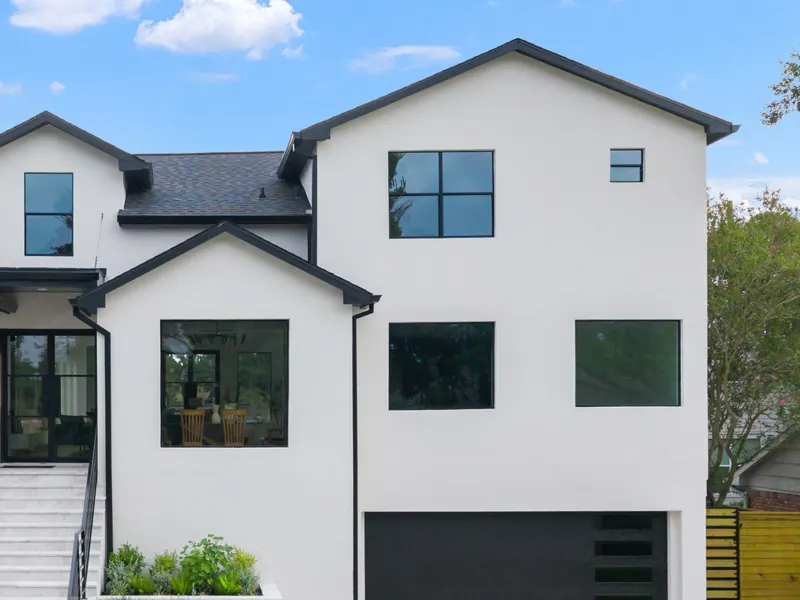
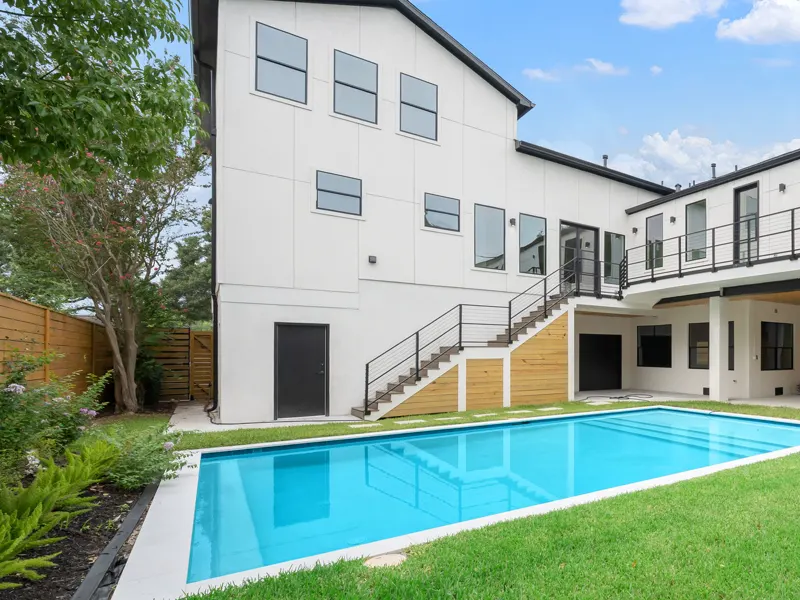
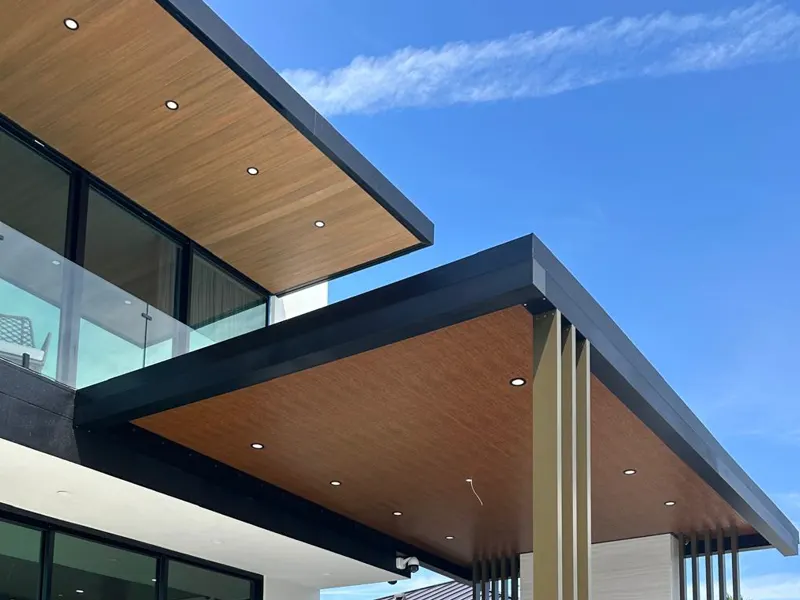
Most exterior problems start with water: a hairline stucco crack, a window without proper flashing or a gutter that overflows onto the fascia. Paint over those spots and the damage keeps growing underneath, which is why every exterior job we quote starts with a walk around the house looking for soft wood, stains and cracks.
The order of the work follows the same logic. Rotten wood and damaged sheathing are replaced, windows and doors are flashed into the wall, the stucco or siding is closed around them, and only then does paint go on. Doing it backward means cutting into finished work later.
Stucco repair or new stucco?
Small cracks and patches can be repaired and textured to match the wall around them. When stucco is loose, bulging or cracked across large areas, or when the lath behind it is rusted, removing it and applying new stucco over a fresh weather barrier is the longer-lasting fix.
New stucco needs time to cure before it is painted, and the paint maker sets how long. An integral color coat avoids painting altogether; elastomeric coatings stretch over hairline cracks. We recommend one or the other based on the age and the condition of the wall.
- Exterior paint and stucco repair: $3.5K to $12K, about 1 to 2 weeks
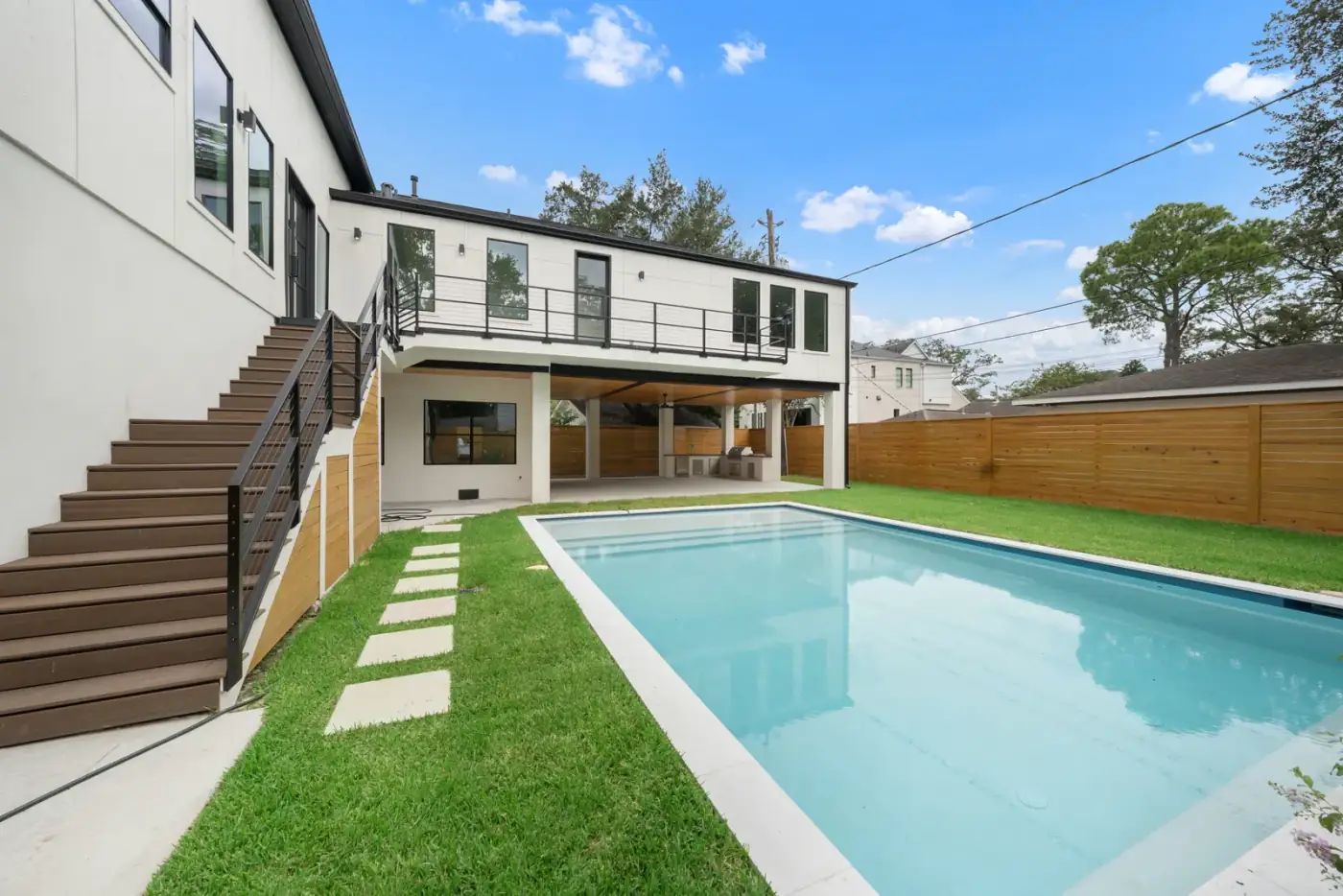
- Siding or a full exterior: $30K to $100K+, about 3 to 8 weeks
- Windows and doors supplied and installed by our crew in 1 to 3 weeks
- Dry rot, fascia and trim repaired before any new finish
- Permits filed when the work requires them
- California license CSLB #1130522
Choosing siding for the Bay Area
Fiber cement siding resists rot, insects and fire, holds paint well and comes in lap boards, panels and shingles, which is why it has become the most common replacement for old wood siding. Wood looks warm but needs regular paint and attention to drainage; vinyl costs less but can warp in strong sun.
Parts of the Bay Area sit in state-mapped fire hazard zones, where the California building code calls for ignition-resistant exterior materials on new work. Noncombustible fiber cement meets that need, and we check your parcel before recommending a material.
Replacement windows: retrofit or full frame
A retrofit window fits inside the existing frame, so the stucco or siding around it stays untouched; it is quicker and costs less. A full-frame replacement removes the old frame down to the studs, which lets us fix rot, change the size and flash the opening properly, but the wall finish around it has to be patched.
California's Title 24 energy code sets limits on how much heat new windows can let through, shown on the label of every unit. Many Bay Area cities also require a permit for window replacement; we check with yours and file it when needed.
Front doors and sliding doors
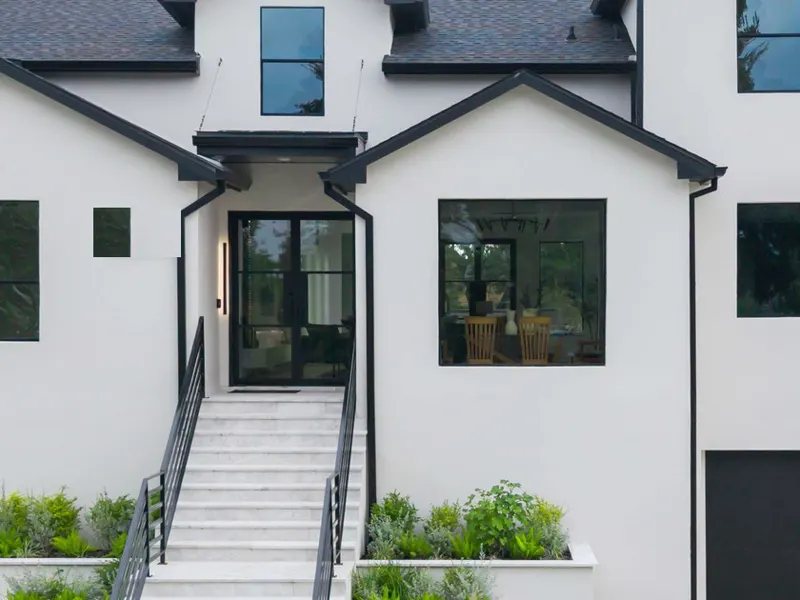
Fiberglass entry doors resist dents and weather and can look like wood; steel doors are strong and affordable; solid wood doors are the most traditional and need refinishing over time. A prehung door comes with a new frame and seals, which usually solves drafts and sticking better than swapping only the slab.
Old aluminum sliding doors are a common source of drafts and noise. A new vinyl or fiberglass slider with low-E glass and a new track usually fits the same opening; a wider opening or a hinged patio door changes the framing and needs a permit.
Exterior paint that lasts
A lasting exterior paint job is mostly preparation: washing the walls, scraping loose paint, replacing rotten trim, caulking gaps and priming bare wood and patches. The finish coats go on only when the surface is clean, dry and within the temperature range on the can.
The dry months from late spring to early fall are the easiest time to paint in the Bay Area, so the calendar fills up early. If you are also planning work inside, see interior remodeling.