 Condo Remodeling
Remodeling FAQ: Costs, Timelines, Permits and Licensing
Plain answers to what Bay Area homeowners ask before they hire a remodeler, from deposits and change orders to inspections and dust. Your own question not here? Send it with the form.
- 4.9 on GoogleFrom 60 homeowner reviewsRead reviews ›
- 5.0 on Thumbtack49 reviews · Top Pro 2022 to 2024Read reviews ›
- Licensed and insuredCalifornia CSLB #1130522
- Permits handledWe file them with your city
The short version
What should you know before you remodel?
A Bay Area remodel usually begins with a free visit and an itemized written estimate, then moves through design, permits, construction and a final walkthrough. From the first visit, a bathroom typically takes 10 to 20 weeks, a kitchen 10 to 24 weeks or longer and a whole house 8 to 14 months. California limits the down payment on a home improvement contract to $1,000 or 10 percent of the price, whichever is less, and the price can only change through a written change order. Before signing with anyone, look the license up on the state board’s website: Partners Remodeling holds CSLB license #1130522, classification B-2 Residential Remodeling.
Reviewed by Maurelio, owner of Partners Remodeling (CSLB #1130522). Updated
Budget planning
How much does a remodel cost in the Bay Area?
Budget ranges for the work we do most often. Use them to set a budget, not as a quote: your exact price comes in the written estimate after we see the space.
| Project | Smaller scope | Most common | Large or high-end |
|---|---|---|---|
| Kitchen remodel | $25K to $45K | $45K to $80K | $80K to $150K+ |
| Bathroom remodel | $8K to $20K | $20K to $45K | $45K to $90K+ |
| Primary bathroom | $15K to $30K | $30K to $60K | $60K to $120K+ |
| Whole-home remodel | $30K to $70K | $70K to $180K | $180K to $500K+ |
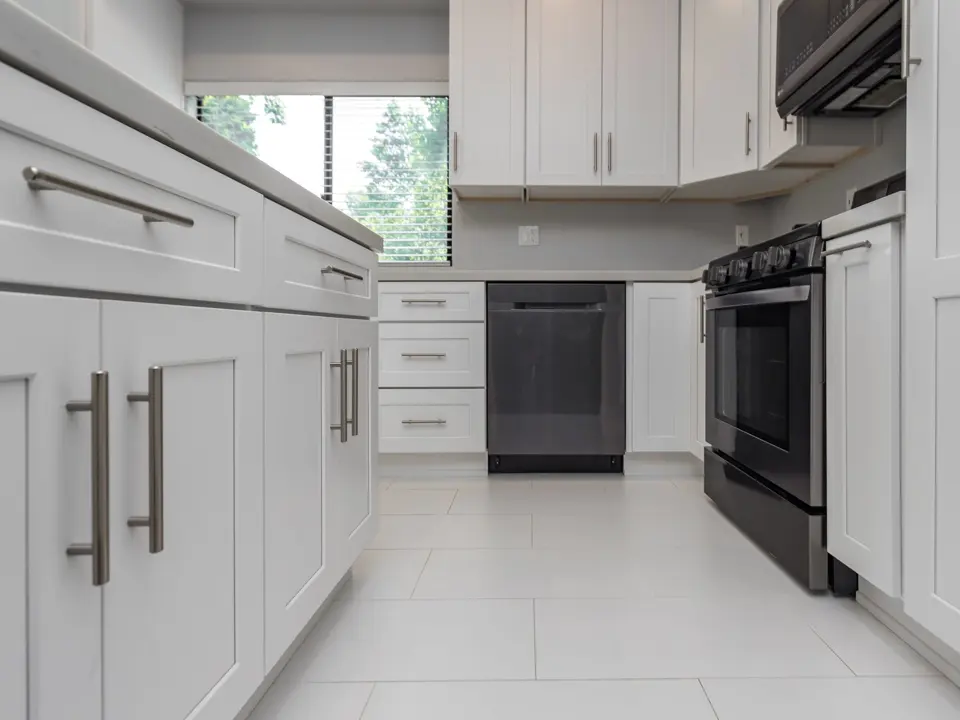
| Condo or townhome | $8K to $30K | $30K to $80K | $80K to $200K+ |
| Outdoor kitchen | $10K to $20K | $20K to $45K | $45K to $100K+ |
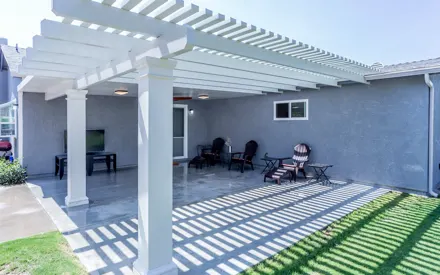
| Pergola | $5K to $12K | $12K to $25K | $35K to $100K+ |
| Covered patio | $8K to $20K | $12K to $30K | $20K to $60K+ |
Each project name opens the cost section of its service page, which explains what moves a project from one column to the next.
Planning the calendar
How long does a remodel take?
Construction is only part of the calendar. Design, permit review and special-order materials come first, which is why the full span is longer than the time crews spend in your home.
| Project | Construction on site | First visit to final walkthrough |
|---|---|---|
| Kitchen remodel | 6 to 12 weeks | 10 to 24+ weeks |
| Cabinet refacing | 3 to 5 days | Confirmed in your estimate |
| Bathroom remodel | 6 to 10 weeks | 10 to 20 weeks |
| Tub-to-shower conversion | 1 to 2 weeks | Confirmed in your estimate |
| Whole-home remodel | 4 to 8 months | 8 to 14 months |
| Condo remodel | 7 to 15 weeks | 4 to 8 months |
| Outdoor living project | 4 to 10 weeks | 3 to 6 months |
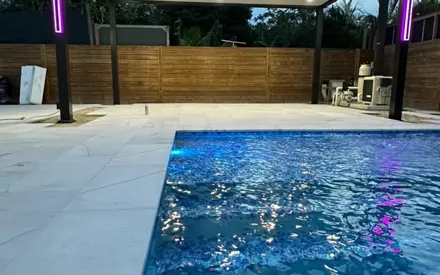
| Pool area remodel | 4 to 10 weeks | 3 to 6 months |
Typical ranges. Size, permit approvals, material lead times and weather change them, and phases can overlap. Your schedule is set out in the written estimate.
Questions and answers
Remodeling questions, by topic
Service-specific questions, like countertop choices or pool decks, are answered on each service page. For who we are, see About us.
Costs and payments
Start with the planning range for your project in the cost table and pick the column that matches the finishes you want. Keep a separate cushion for conditions nobody can price before demolition, such as old wiring, rot or a leak inside a wall. The written estimate then turns that range into a line-by-line figure for your home.
For a home improvement job, the down payment cannot be more than $1,000 or 10 percent of the contract price, whichever is less, and special-order materials are no exception. After that, payments follow the schedule in the contract and cannot run ahead of the work and materials already delivered. These rules are summarized in the state contractor board’s guide to home improvement contracts.
A change order is a written amendment to your contract that adds work, removes work or changes the price, signed by you and the contractor before the change is built. Under California law the contract price can only change this way, and each change order becomes part of the contract. File them with the rest of your project paperwork.
An allowance is a placeholder amount for something you have not chosen yet, such as tile, light fixtures or a faucet. If your final pick costs more than the allowance you pay the difference, and if it costs less you get a credit. Choosing finishes before the estimate keeps allowances small and the total more predictable.
Any home improvement job over $500 in labor and materials needs a written contract. It must state the price, a payment schedule tied to the work, start and completion dates and a description of the work, plus notices about your rights: a mechanics lien warning and, where it applies, the right to cancel within three business days, or five if you are 65 or older.
Timelines
Permit review is the biggest unknown; depending on the city it can take two to eight weeks or more. Special-order items such as custom cabinets, windows or stone slabs can add weeks, and so can decisions that change once work has started or damage found after the walls are opened. Weather mostly matters for backyard projects.
Count backward from the date you want the work finished. Design usually needs two to four weeks and permits another two to eight weeks or more before construction can begin, so call two to three months before you want a crew in the house, and earlier still for a whole-home project or anything that needs HOA approval.
Permits and licensing
Search the license number or business name in the free Check a License tool on the CSLB website. Make sure the status is active and the classification fits your project, then read the bond and workers’ compensation sections. Ask every bidder for the number before you sign; ours is #1130522, classification B-2 Residential Remodeling.
Purely cosmetic work, like painting or laying new flooring, generally goes ahead without one. Moving plumbing or gas lines, adding electrical circuits, changing walls or windows and building new structures outside typically require a permit and inspections. Every Bay Area city and county sets its own requirements and fees, so we check the rules for your address before quoting.
It can. California reassesses new construction when it is finished, but only the newly built portion gets a current market value; the rest of the home keeps its existing assessment. The State Board of Equalization counts added rooms, garage conversions, decks and patios, upgraded plumbing or electrical, and kitchen or bathroom work that changes the floor plan or upgrades cabinets, counters, flooring or fixtures. Normal repairs, painting and swapping old fixtures for modern ones are not counted. Your county assessor makes the final call.
An inspector from your city or county visits at set stages, often once the rough plumbing and electrical are in and again at the end, and compares the work with the approved plans and the building code. Walls stay open until the rough inspection passes. Because we pull the permits, inspection dates are built into your schedule.
Hiring a contractor
Ask for the license number and check it yourself, a certificate of insurance, an itemized written estimate instead of a single total, the payment schedule, who will supervise the work each day and how changes are priced and approved. Read recent reviews as well. At Partners Remodeling, Maurelio, the owner, oversees every project in person.
A mechanics lien is a claim against your property that an unpaid subcontractor, supplier or worker can record with the county, even when the contractor has been paid in full. Your contract must carry a Mechanics Lien Warning, and anyone who may claim a lien has to send you a Preliminary Notice within 20 days of starting work or delivering materials, so keep those notices. The CSLB guide suggests collecting signed lien releases as each part of the work is paid, or paying with a joint check made out to both the contractor and the subcontractor.
For a large project, comparing two or three bids is reasonable. Compare the scope line by line rather than the bottom line: one bid may leave out demolition, permit fees or finish materials that another one includes, which makes it look cheaper than it is.
During the work
We seal off the work area with dust barriers, cover floors and furniture along the path the crew uses and leave the space tidy at the end of every workday. When a phase will be louder or dustier than usual, such as demolition or tile cutting, you hear about it ahead of time.
Empty the room being remodeled, along with nearby cabinets and closets, and take fragile items off shared walls. Decide where pets will stay during work hours, free up driveway or street space for the crew and deliveries, and tell your HOA the start date if you have one. For a kitchen remodel we help you plan a temporary kitchen elsewhere in the house.
Call (925) 450-4266 at any hour of the day. Maurelio follows every project in person, so your question reaches someone who already knows your job, and you can always reach us in writing too.
Didn’t find your question? Call (925) 450-4266 or send us a message. The visit and the written estimate are free.