 Condo Remodeling



 +45
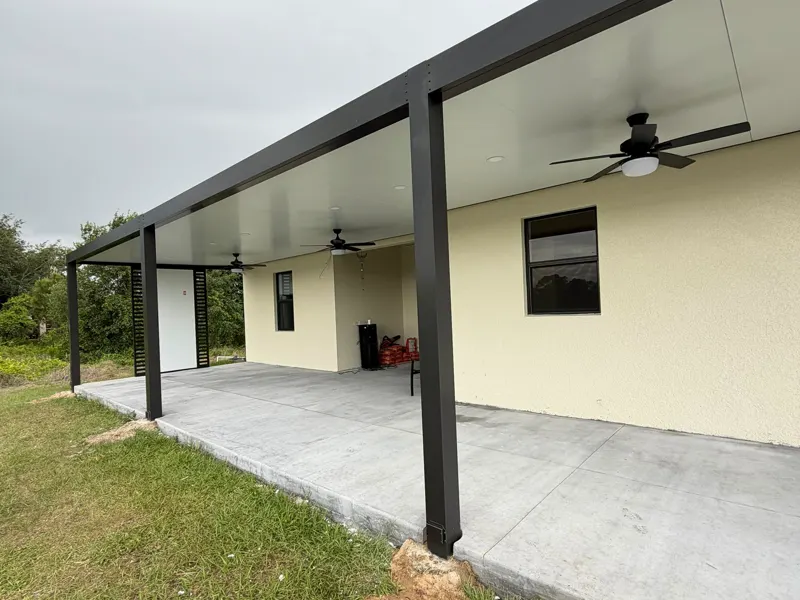
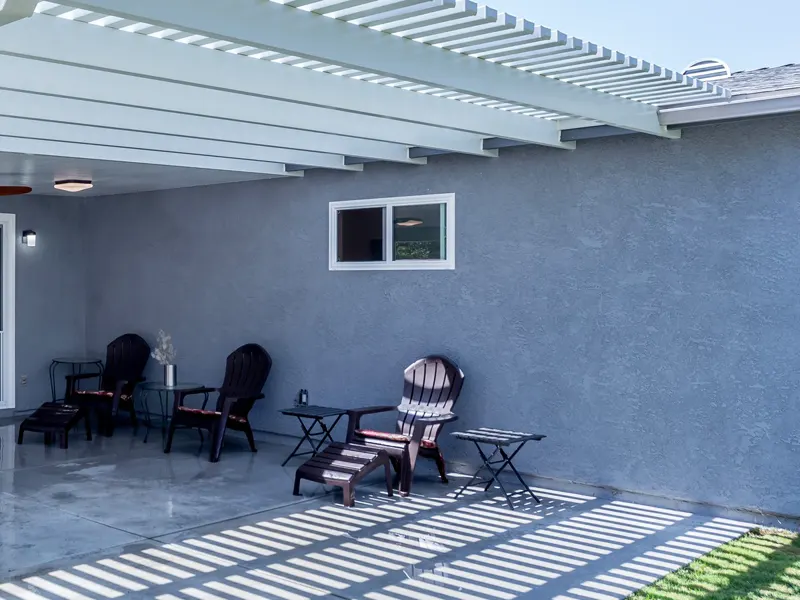
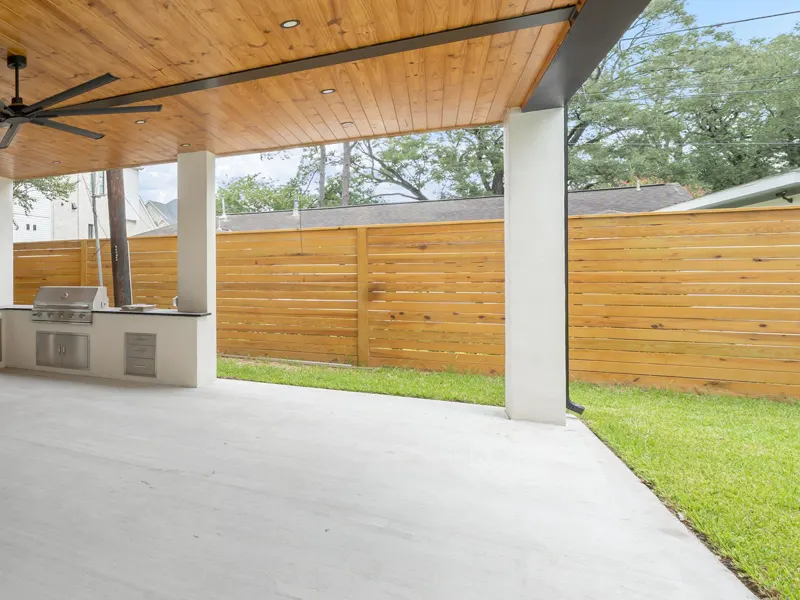
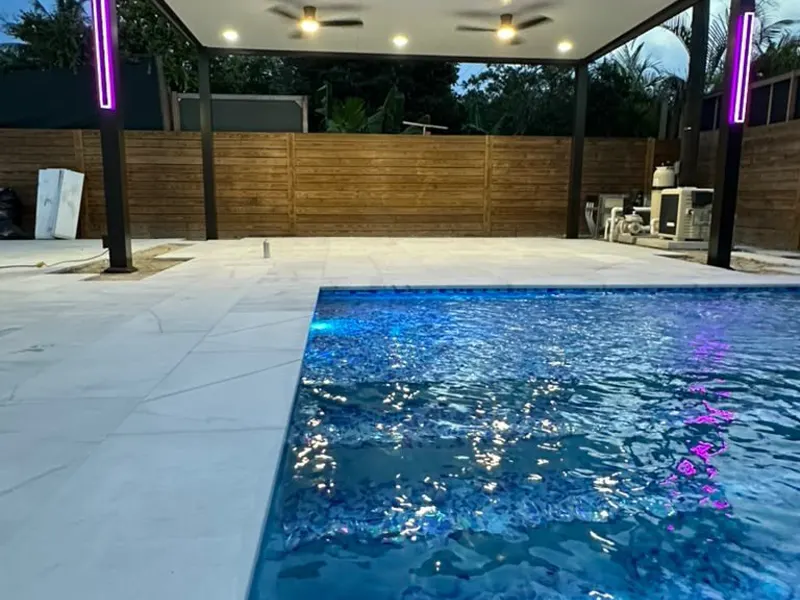
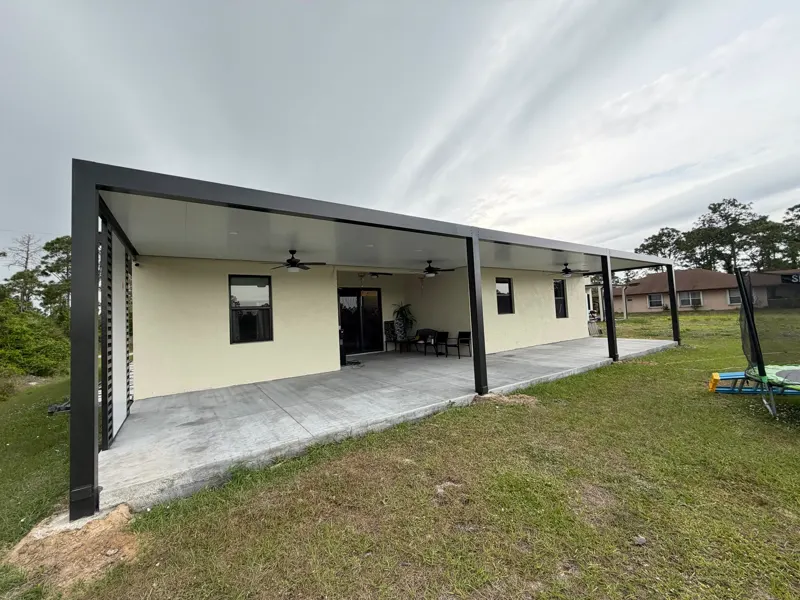
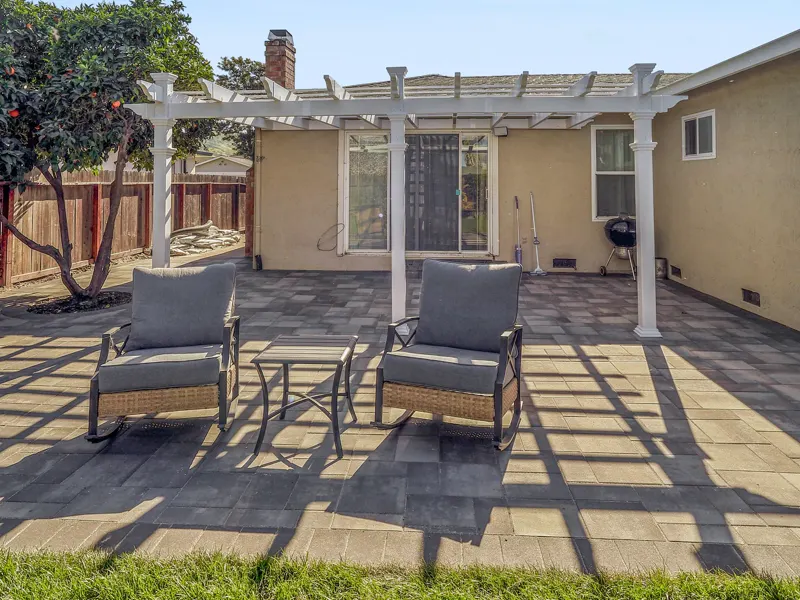
Patio or screened in porch: can your space take screens?
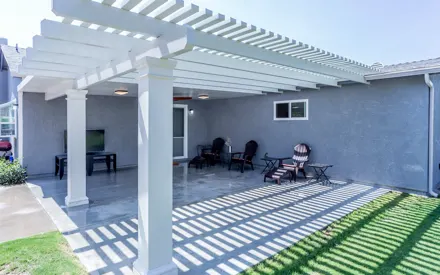
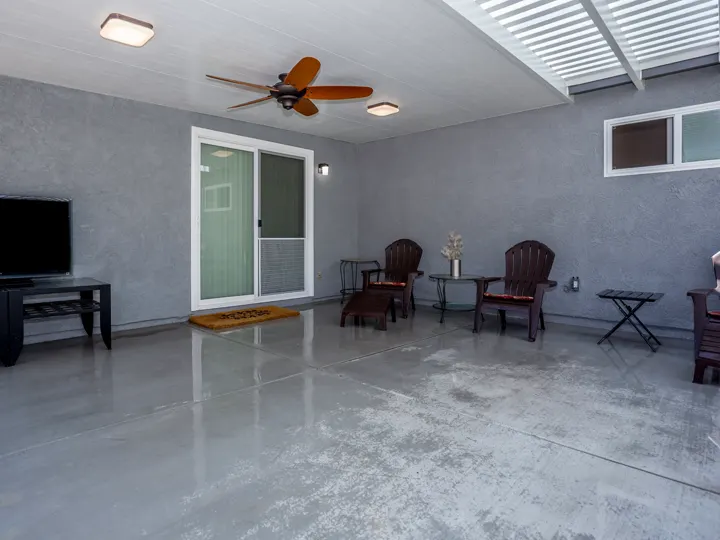
Screens need a square, solid frame to attach to. A patio cover with sound posts and beams is the easiest start, while a pergola with open rafters needs a closed roof section first, because mesh walls do little if bugs can drop in from above.
Very wide openings are divided by extra posts or framing. Sloped slabs matter too: the gap at the bottom has to be closed by a tapered sill, or insects will walk straight under the screen.
Which screen mesh should you pick?
Standard fiberglass mesh is the common choice: it is affordable and easy to replace. Finer mesh stops very small insects but blocks more air. Solar mesh cuts glare and heat on a west-facing patio, and it also adds daytime privacy.
If you have a dog or a cat, ask about pet-resistant mesh for the lower panels, where claws do the most damage. Different openings can use different mesh, so you do not have to pay for the heavy kind everywhere.
- Screens for patio covers, retractable screens and pool enclosures
- Planning ranges of $1.5K to $5K, $6K to $20K and $15K to $40K+
- Replacement 1 to 2 days; patio cover 3 to 5 days; full enclosure 1 to 3 weeks on site
- Every opening measured and fitted by our crew
- Permits handled when your city requires them
- California license CSLB #1130522
Fixed or retractable screens?
Fixed panels are simpler and cost less, and they suit a patio you keep closed for most of the year. Retractable screens roll into a housing, so the view and the open feel return when you want them.
Motorized units run from a switch or a remote and make sense on tall or wide openings, but they need power nearby. Plan that wiring early if you are also adding a cover.
Pool screen enclosures in the Bay Area
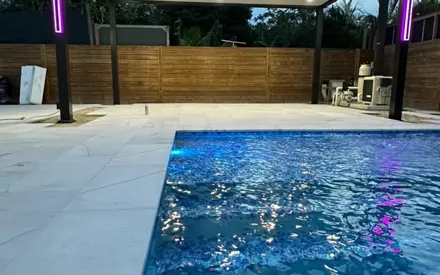
A pool enclosure keeps leaves and bugs off the water, which means less skimming under trees. It is a large structure, however: expect a tall aluminum frame, engineering and a city review, and some loss of direct sun on the water.
Pool enclosures are uncommon in Northern California, so check your HOA and neighbors early. If shade is the real goal, a pergola beside the pool may do the job for less.
How long do screens last, and how do you care for them?
Mesh wears out before the frame does, especially in full sun. Rinse it with a hose a few times a year, and brush off dust or pollen with a soft brush. Keep the tracks of retractable screens clear so that the mesh runs straight.
A small tear can often be patched, but sagging or brittle mesh is a sign to replace the panel. If the frame is sound, that job takes a day or two and costs far less than starting over.
Permits, HOAs and fire rules
Replacing mesh rarely involves the city. New walls or a new frame can, and screening a cover may change how your city treats the structure. In wildfire hazard areas, also ask about the materials allowed near the house.
Screens around a pool do not replace your pool barrier, so gates and latches still need to meet your city rules. We check these details before you commit to a design.